Reading a Date’s Body Language
You’re halfway through an anecdote on a first date, and you catch yourself wondering: are they actually listening? While words can be carefully chosen, the body often tells a more candid story. Research consistently shows that nonverbal communication carries a significant portion of our messages in face-to-face interactions, especially when it comes to attraction and connection. Understanding these unspoken signals can provide valuable insight into how your date is truly feeling.
Explore ➜
Read tips ➜
Learn more ➜
You will stay on this site.
The Green Flags: Positive Body Language Cues
When someone is interested, their body will often physically signal engagement and openness. One of the most common signs of interest is leaning in. This simple act reduces the physical space between you, indicating a desire for more closeness and a genuine interest in what you’re saying. This is often an unconscious move driven by a psychological need to connect.
Another powerful indicator is “mirroring,” where your date subtly mimics your posture or gestures. If you rest your chin on your hand and they do the same a few moments later, it’s a strong sign of rapport. This phenomenon, sometimes called the chameleon effect, is a subconscious way of building a bond by saying, “I’m like you, I’m with you.” Studies in social psychology confirm that people who are in sync tend to like and trust each other more, as noted in a feature by Psychology Today.
Also, pay attention to an open posture. Are their arms and legs uncrossed? Is their torso facing you directly? An open stance suggests they are receptive and comfortable in your presence. It’s a nonverbal invitation for continued interaction. Paired with sustained, but not staring, eye contact, it’s one of the clearest signs of attraction body language.

Signs of Disinterest or Discomfort
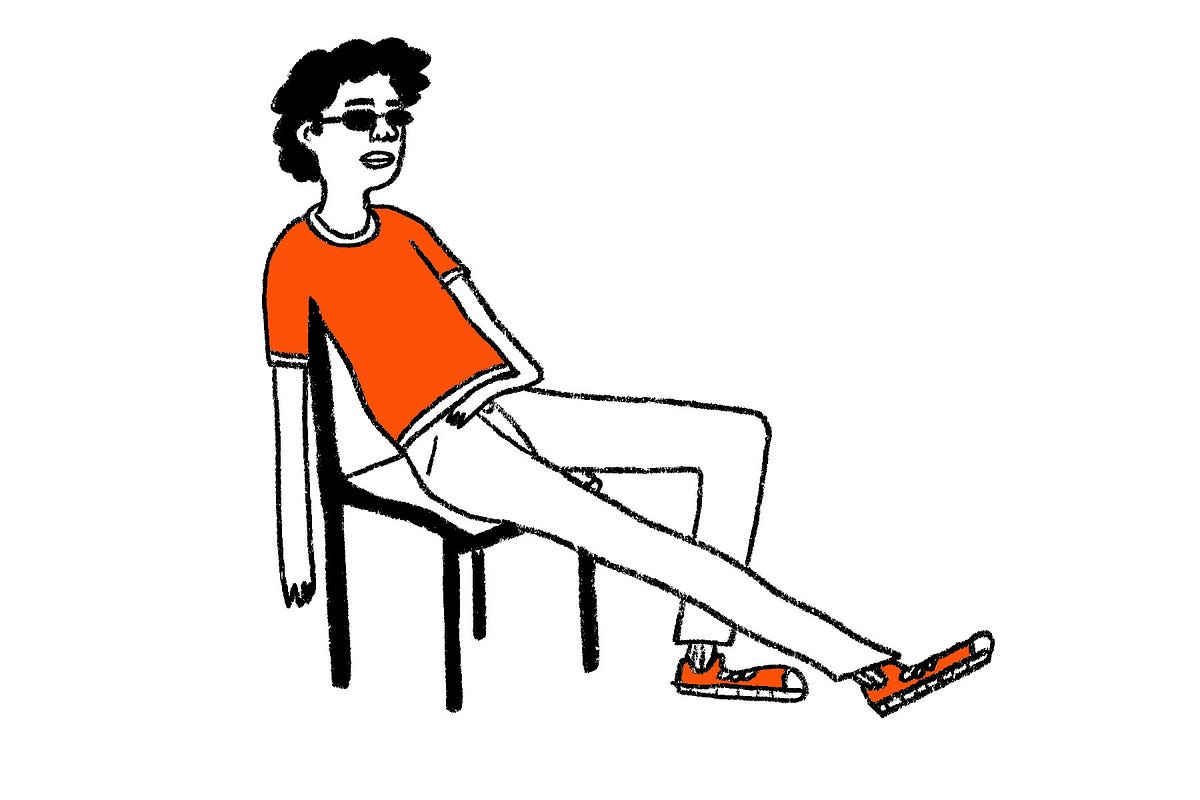
Just as the body can signal interest, it can also broadcast a lack of it. One of the most obvious signs of disinterest is creating distance. This can manifest as leaning back in their chair, turning their torso or feet away from you, or physically scooting away. Their body is essentially saying, “I want to be somewhere else.”
Barrier signals are another major red flag. Consistently crossed arms are a classic example. While it can sometimes just mean a person is cold or it’s a comfortable habit, on a date, it often forms a protective barrier. According to communication experts at the Harvard Business Review, this posture can signal defensiveness or disagreement. Similarly, holding a drink, purse, or phone in front of their chest can serve the same purpose.
A wandering gaze is perhaps the most discouraging cue. If your date’s eyes are constantly scanning the room, checking their phone, or looking at the exit, it’s a clear sign their attention is not on you. It indicates boredom or impatience. Fidgeting, such as tapping fingers, shaking a leg, or repeatedly checking the time, further reinforces this message of wanting the interaction to end.
Remember: Context is Everything
Before you decide a date is a bust because they crossed their arms, take a moment. A single cue is rarely definitive. Nonverbal communication expert Joe Navarro often emphasizes the importance of looking for “cue clusters” rather than isolated gestures. Is the person a bit shy? Their lack of eye contact might stem from nervousness, not disinterest. Are they neurodivergent? Some individuals with autism or ADHD may express engagement differently and may not adhere to typical nonverbal norms. Always consider the context, the environment (is the room chilly?), and the person’s overall demeanor before jumping to conclusions.
A single gesture is like a single word; it’s the sentence of nonverbal cues that tells the full story. Experts advise looking for consistent patterns of behavior, not isolated signals, to get a more accurate reading of someone’s interest or discomfort on a date. One cue is an observation, but three is a valid conclusion.
Beyond the Obvious: Subtle Signs of Attraction
Beyond the big, easy-to-spot signals, there are more subtle signs of attraction to watch for. One of these is pupil dilation. When we are interested in or aroused by something (or someone), our pupils tend to get larger. While lighting conditions are the primary factor, a sudden increase in pupil size when they look at you can be a physiological giveaway of attraction, as explored in human behavior studies from institutions like the American Psychological Association.
Another subtle but telling cue is foot direction. People’s feet often point in the direction they want to go. If your date’s feet are pointed toward you, even when their torso is slightly turned, it’s a good sign they are engaged with you. If their feet are pointed towards the door, it could mean they are subconsciously ready to leave. Another subtle sign is unconscious grooming—they might smooth their hair, adjust their tie, or straighten their clothes. These are “preening” behaviors intended to make themselves look more attractive for you.

Ultimately, body language provides a fascinating layer of communication that can help you interpret a date’s interest level. However, these cues are clues, not certainties. The best way to know how someone feels is through direct and honest conversation. Use these nonverbal insights as a guide to help you navigate your interactions, but always prioritize clear communication to build a genuine connection.
Terms and conditions may vary; check official rules.
Sources: https://www.psychologytoday.com/us/blog/spycatcher/201509/the-body-language-attraction, https://hbr.org/2011/04/the-body-language-of-disagree, https://www.apa.org/monitor/2014/02/pupil