The Science of Desire: Attraction Explained

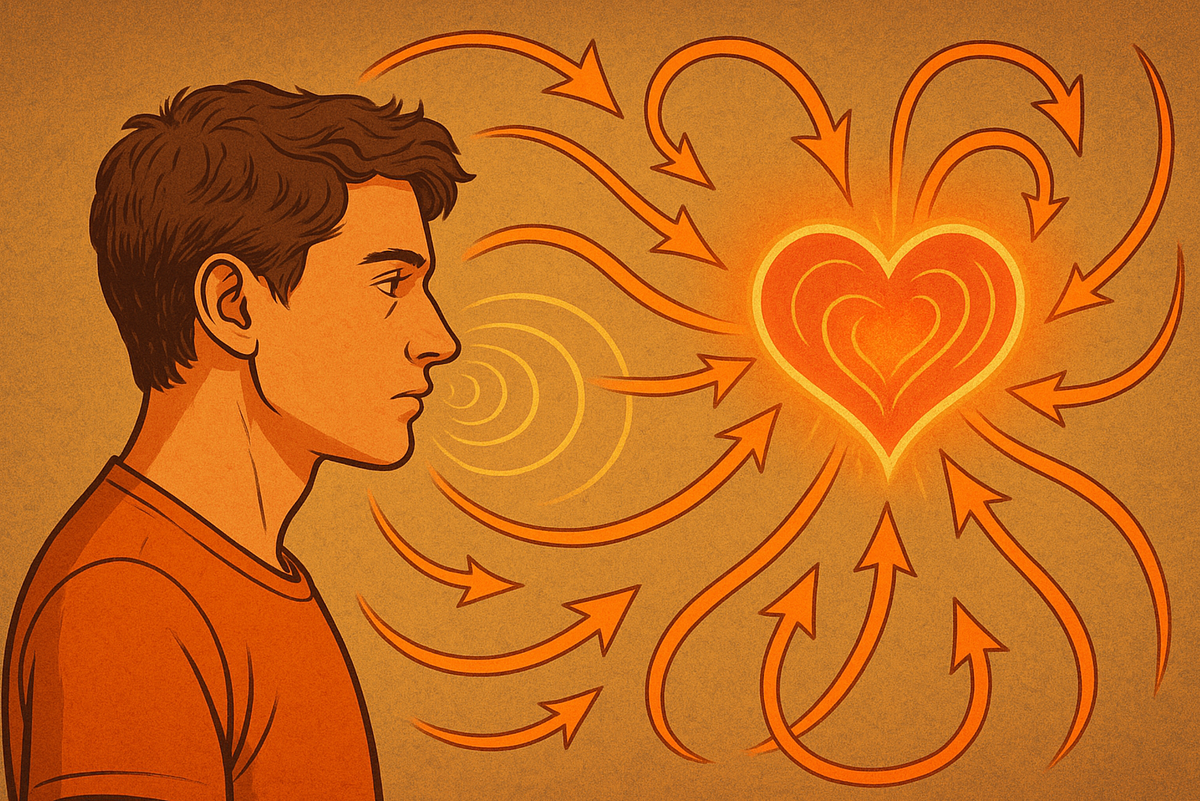
What sparks the initial flame of attraction? It’s a process far more complex than a simple checklist of qualities. In fact, our brains make snap judgments about potential partners in a fraction of a second, often based on a blend of biology, psychology, and personal history. Research indicates that these assessments are heavily influenced by psychological principles that operate just below the surface of our awareness. A study published in Social Psychological and Personality Science found that romantic desire for a specific person can fluctuate significantly from moment to moment, highlighting the dynamic nature of attraction. Eastwick, Finkel, et al., 2021.
You will stay on this site.
Understanding these underlying mechanisms isn’t about finding a magic formula to make someone fall for you. Rather, it’s about gaining insight into your own desires and learning how to present your authentic self more effectively. By exploring the science of attraction, you can navigate the dating world with more confidence and self-awareness, whether you’re meeting someone on an app or in person. This knowledge empowers you to create genuine connections based on more than just a fleeting first impression.
Proximity and Familiarity: The Mere-Exposure Effect
One of the most robust findings in social psychology is the mere-exposure effect. In simple terms, we tend to develop a preference for things—and people—merely because we are familiar with them. The more you see someone, whether it’s the barista at your local coffee shop or a profile that frequently appears on a dating app, the more likable and attractive they can become. This isn’t a coincidence; familiarity breeds comfort and reduces uncertainty. Our brains interpret familiar faces as “safer” and more trustworthy. A classic study by R.B. Zajonc demonstrated this by showing participants various symbols; those they saw more frequently were rated more positively, even if they had no conscious memory of seeing them. Journal of Personality and Social Psychology, 1968.
In the context of dating, this means that consistent, low-pressure interactions can be more effective than grand, one-off gestures. It highlights the importance of being present in social circles, community groups, or even just being active and visible on a chosen dating platform. The goal isn’t overexposure, but rather a gradual build-up of comfortable familiarity.

Similarity-Attraction: Do Opposites Really Attract?
The age-old debate pits “birds of a feather flock together” against “opposites attract.” While the idea of a complementary partner who balances you out is romantic, decades of research overwhelmingly support the similarity-attraction hypothesis. We are typically drawn to people who share our core values, attitudes, socioeconomic background, and level of intelligence. This similarity provides validation for our own beliefs and life choices, which is inherently rewarding. Finding someone who laughs at the same jokes or shares your political views creates a smooth path for connection.
However, this doesn’t mean you need to find a carbon copy of yourself. Complementarity can work well when it comes to skills or personality traits. For example, an outgoing person might pair well with someone more introverted, or a natural planner might appreciate a partner who is more spontaneous. The key is that the core, foundational aspects of your lives should align. A 2023 study from the University of Colorado Boulder analyzed data from millions of couples and found conclusive evidence for similarity in over 80% of traits studied, from political leanings to substance use. University of Colorado Boulder Today.
Reciprocity: The Power of Being Liked
One of the simplest and most powerful drivers of attraction is reciprocity. We like people who like us. When you discover that someone has a positive opinion of you or enjoys your company, it’s a significant ego boost and a powerful incentive to return those feelings. This principle explains why showing genuine interest in someone—asking thoughtful questions, remembering details they’ve shared, and giving sincere compliments—is so effective.
In the early stages of dating, clear (but not overwhelming) signals of interest are crucial. If your signals are ambiguous or you “play it too cool,” the other person may assume you’re not interested and direct their attention elsewhere. Reciprocity creates a positive feedback loop: your interest sparks their interest, which in turn reinforces yours. This doesn’t mean being overly eager, but it does mean being willing to show your cards a little.

Physical Cues Beyond Classic Beauty
While physical attractiveness is subjective, certain biological cues are often universally perceived as attractive because they signal health, fertility, and genetic fitness. These go far beyond facial structure or body type. For instance, vocal pitch plays a role; research suggests men often prefer higher-pitched voices in women, and women may prefer lower-pitched voices in men, as these are linked to hormone levels. Scientific American.
Other subtle cues include physical symmetry, which the brain interprets as a sign of good health and stable development, and even something as unconscious as how someone smells. Our confidence, posture (an open, expansive posture versus a closed-off one), and energy levels also communicate a wealth of information about our well-being, directly impacting how attractive we appear to others.
Attraction is not a choice. It’s a reaction. It involves a complex dance of brain systems for lust, romantic love, and attachment. Understanding these systems can help you navigate the often-confusing landscape of human connection with greater clarity and a deeper appreciation for its biological roots.
Misattribution of Arousal: The “Shaky Bridge” Effect
Have you ever noticed that a date to a thrilling sports game, a scary movie, or an amusement park feels more charged with chemistry? This might be due to a phenomenon called “misattribution of arousal.” The classic 1974 study by Dutton and Aron had an attractive woman approach men on two different bridges: one, a low, stable bridge, and the other, a high, swaying suspension bridge. The men on the scary bridge, whose hearts were already pounding from fear, were far more likely to call the woman afterward.
They had misattributed their physiological arousal (fast heartbeat, sweaty palms) from the bridge to feelings of attraction for the woman. This principle suggests that sharing an exhilarating experience can amplify feelings of desire. A date that gets your heart pumping—like a live concert, a challenging hike, or trying a new, exciting activity—can create a stronger sense of connection than a quiet coffee or dinner.
Frequently Asked Questions
How much does physical attractiveness really matter?
Physical attractiveness is often the gatekeeper for initial interest, especially on dating apps. However, its importance tends to decrease as people get to know each other. Qualities like shared values, kindness, and intelligence become far more significant for long-term relationship success. Think of it as what gets you in the door, while your personality and character determine if you’re invited to stay.
Is “playing hard to get” an effective strategy?
It can be, but it’s a risky game. It works on the principle of scarcity—we value what is less available. However, it can easily backfire. If someone perceives you as genuinely disinterested or arrogant, they are likely to move on due to a lack of reciprocity. A better strategy is to be “selectively available”—show clear interest in the person you desire while conveying that you have a full, valuable life outside of them.
How does self-confidence affect how others see me?
Confidence is consistently rated as one of the most attractive traits. It signals that you value yourself, which leads others to see you as more valuable. Confident posture, steady eye contact, and clear speech are all attractive cues. It’s not about arrogance, but about a quiet self-assurance that you bring worth and substance to a connection.
Does online attraction work differently than in-person attraction?
The initial triggers are different. Online, attraction is heavily based on photos and a curated bio, making visual cues and perceived similarity paramount. In person, other factors like pheromones, vocal tone, body language, and energy come into play immediately. However, the underlying principles—reciprocity, similarity, familiarity—are the same once communication begins.
What is one of the biggest psychological turn-offs?
Neediness or clinginess is a major deterrent. It signals a lack of self-confidence and can make the other person feel pressured or suffocated. Healthy attraction thrives when both individuals have a strong sense of self and are coming together to enhance each other’s lives, not to complete them.
Why am I drawn to people who aren’t good for me?
This can stem from early attachment patterns and unresolved psychological needs. We sometimes subconsciously seek out relationship dynamics that are familiar, even if they are unhealthy. If you notice a consistent pattern of being attracted to partners who are emotionally unavailable or destructive, it may be beneficial to explore these patterns with a licensed therapist.
Can you actually “make” someone desire you?
No, you cannot force genuine desire. Attraction is a chemical and psychological reaction. However, you can significantly increase your chances of being seen as a desirable partner by focusing on what you can control: your physical health, your confidence, your social skills, your passions, and how you present yourself to the world. It’s about being the most attractive version of your authentic self.
Ultimately, the psychology of attraction is a fascinating mix of biology and circumstance. While you can’t control every factor, understanding these principles gives you the power to be more intentional in your dating life. It encourages a focus on self-improvement, authenticity, and creating opportunities for genuine connection to spark and grow.
Terms and conditions may vary; check official rules.
Sources:
https://journals.sagepub.com/doi/abs/10.1177/1948550620955732
https://www.colorado.edu/today/2023/08/31/opposites-dont-attract-after-all
https://psycnet.apa.org/record/1974-23136-001