Dating Apps and Attraction Psychology

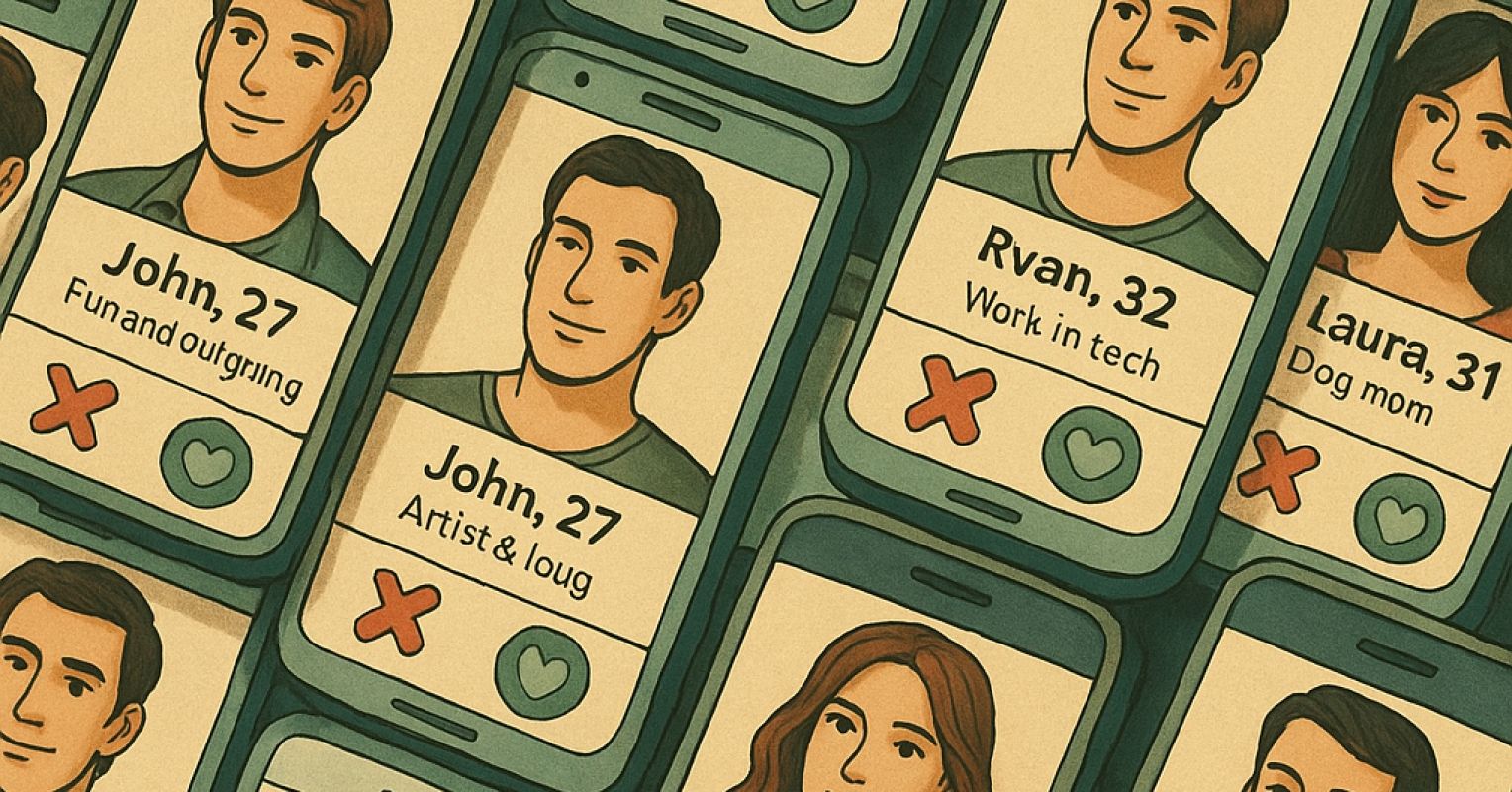
The average person makes a decision on a dating app profile in less than a second. This rapid judgment isn’t random; it’s a lightning-fast process guided by deep-seated psychological principles of attraction. While we think we’re just swiping, our brains are running complex calculations based on familiarity, similarity, and perceived value. A study published in Social Psychological and Personality Science found that users form impressions and make decisions about potential partners with remarkable speed, highlighting how instinctual this process is on digital platforms.
You will stay on this site.
Understanding the science behind desire is not about manipulating others; it’s about understanding how different platforms are designed to tap into these principles. By recognizing how apps leverage attraction psychology, you can choose a platform that aligns with your personality and relationship goals, allowing you to present your most authentic self in a way that naturally resonates with the right people. This article compares how various dating approaches and platforms utilize these psychological triggers.
The Proximity Principle: Local Matches vs. Niche Communities
One of the oldest rules of attraction is the mere-exposure or proximity effect: we tend to develop a preference for people merely because they are familiar to us. Physical closeness makes interaction more likely and less costly in terms of time and effort. Dating apps revolutionized this by creating digital proximity.
Apps like Tinder and Bumble are masters of this, primarily using geolocation to show you potential matches within a set radius. The logic is straightforward: you’re more likely to meet up with someone who lives a few miles away than someone in another state. This approach is highly efficient for those seeking casual encounters or who want to date within their immediate vicinity. However, it can sometimes prioritize location over genuine compatibility.
Use location-based apps if: Your priority is meeting people nearby for spontaneous dates and you value a large pool of options in your area.
Consider interest-based platforms if: You prefer building a connection based on shared hobbies or values first, even if it means a slightly longer journey to a first date. Platforms like Meetup, or even niche Facebook groups centered around activities (hiking, board games, etc.), facilitate attraction through shared experiences, a powerful form of psychological proximity.
The Similarity Factor: How Algorithms Find Your Twin
The “birds of a feather flock together” adage is strongly supported by psychological research. The similarity-attraction effect shows we are drawn to those who share our attitudes, values, and backgrounds. This validation makes us feel understood and reduces the potential for conflict. Platforms approach this in different ways.
OkCupid is a classic example, using a vast questionnaire to generate a compatibility percentage between users. It directly quantifies similarity across topics ranging from politics to lifestyle habits. The more questions you answer, the more refined the algorithm becomes. This is ideal for users who are analytical and want to filter matches based on deep-seated values.
Hinge takes a different route. Instead of a long questionnaire, it uses a curated set of prompts (“My simple pleasures…”, “I’m looking for…”). Your answers provide qualitative, not quantitative, signals of your personality, humor, and what you value. This encourages connection based on personality “flavor” rather than a compatibility score. According to the Pew Research Center, about three-in-ten online dating users say they have entered into a committed relationship with or married someone they met through a dating site or app , suggesting these methods can be effective.
Use data-heavy apps like OkCupid if: You value a systematic approach and want to filter heavily on specific beliefs and life choices.
Use prompt-based apps like Hinge or Bumble if: You prefer to showcase your personality and connect over conversational chemistry and shared humor.
The Power of Reciprocity
The principle of reciprocity is simple: we like people who like us. Knowing that someone has already expressed interest in you significantly lowers the fear of rejection and increases your own attraction toward them. The entire “match” system of modern dating apps is built on this. You only know someone liked you if you also liked them, creating a safe, mutual starting point.
Platforms with features that let you see who has already liked you (like Tinder Gold or Hinge+) capitalize directly on this. It can feel like a “shortcut,” appealing to our desire for validation. However, it can also encourage reacting to interest rather than proactively seeking it. The most effective use of this psychological trigger is to view a “like” not as a guarantee, but as an open door for a conversation to begin.

Managing Choice: Scarcity vs. Abundance
While having options seems good, the “paradox of choice” suggests that too many options can lead to decision fatigue and dissatisfaction. When presented with an endless stream of profiles, we can become overly critical and less likely to commit to any single person, always wondering if a “better” option is just one swipe away. This is a common pitfall documented in consumer behavior and is highly relevant to modern dating , as noted by Harvard Business Review.
Apps like Tinder can sometimes feel like a firehose of options, which works well for users who want to maximize their chances through sheer volume. It’s a numbers game, and if you have the energy for it, the large user base provides a vast sea of possibilities.
In contrast, apps like Coffee Meets Bagel and, to a lesser extent, Hinge, introduce scarcity. Coffee Meets Bagel provides a limited number of curated matches (“Bagels”) each day. This encourages you to give each profile more thoughtful consideration. By limiting the pool, the platform makes each potential match feel more valuable and reduces the cognitive load of endless swiping.
Use “abundance” apps if: You enjoy the process of sorting and filtering through many profiles and don’t feel overwhelmed by choice.
Use “scarcity” apps if: You often feel paralyzed by too many options and prefer a more focused, curated dating experience that encourages careful consideration.
Attraction is less about a perfect formula and more about creating an environment where a genuine connection can be recognized. The best platform isn’t the one with the most users, but the one where you feel most comfortable being yourself and can thoughtfully evaluate others beyond a split-second glance.
Which is more important: physical looks or a good bio?
Both play critical roles at different stages. Initial physical attraction, driven by photos, often gets someone to stop scrolling. However, a compelling bio, witty prompts, and evidence of a compatible lifestyle are what usually inspire someone to initiate a conversation. Think of photos as the cover of a book and the bio as the first chapter—you need both for someone to commit to reading more.
Do dating app algorithms really work?
Algorithms work by sorting and filtering, not by predicting soulmates. They use the data you provide (profile info, swiping behavior, answered questions) to show you people who meet your stated criteria and who are similar to people you’ve liked in the past. They increase the probability of you seeing a compatible person, but chemistry and connection are still up to you.
Is it better to use a niche app or a mainstream one?
This depends on how important a specific trait is to you. If a shared religion, lifestyle (e.g., sober living), or specific interest is a non-negotiable for you, a niche app can be incredibly efficient. For those with broader criteria, a mainstream app offers a larger pool of potential partners. You can also use both simultaneously.
How can I show ‘similarity’ without being boring?
Instead of just listing your hobbies, show them. Use photos of you engaging in your interests (hiking, painting, traveling). In your bio or prompts, describe *why* you love those things. Sharing the feeling behind the interest (“I love the quiet focus of early morning runs”) is more connecting than just stating “I like running.”
Why do I get fewer matches on apps that limit my swipes?
This is by design. Apps that limit swipes, like Coffee Meets Bagel, aim for “quality over quantity.” The goal is not to accumulate dozens of matches but to foster a few, more intentional connections. It encourages you and other users to be more selective and to invest more in the matches you do make.
Does the ‘reciprocity’ principle mean I should only like people who have liked me first?
Not at all. While seeing who liked you can be a good starting point, being proactive is crucial. Many people, particularly on apps where women make the first move like Bumble, may be waiting for you to show interest first. A balanced approach of responding to incoming likes and initiating your own is usually most effective.
Can psychology help me avoid dating app burnout?
Yes. Understanding the “paradox of choice” can help you intentionally limit your swiping time to avoid decision fatigue. Recognizing that attraction is complex and multi-faceted can also help you feel less discouraged by quick rejections based on a single photo. Focus on platforms and usage habits that feel energizing, not draining.
Ultimately, there is no single “best” platform. The most effective approach is to understand your own psychological tendencies—do you get overwhelmed by choice? Do you value deep similarity over local convenience?—and select the tool that feels most aligned with your dating style. By applying an understanding of attraction psychology, you can navigate the digital dating world more intentionally and effectively.
Conditions may vary; check official platform rules. This content is for educational purposes and does not substitute for professional advice.
Sources: https://www.pewresearch.org/internet/2020/02/06/the-virtues-and-downsides-of-online-dating/, https://journals.sagepub.com/doi/abs/10.1177/1948550617748447